
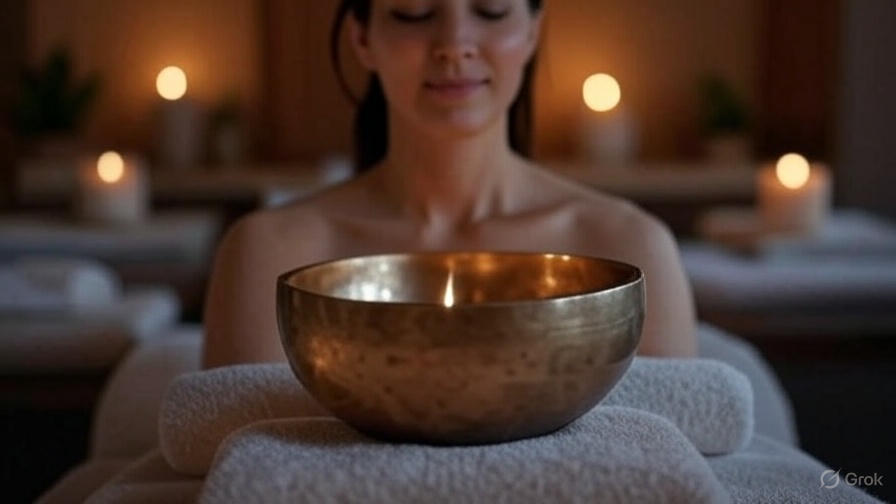
 Korean spas, known as jjimjilbangs, have long been a cornerstone of wellness in South Korea, offering a blend of relaxation and cultural tradition. These communal spaces, rooted in centuries-old practices, provide more than just a place to unwind. They create an immersive experience that soothes the body and mind. Today, modern Korean spas are evolving by weaving in music therapy, ambient design, and aesthetic elements. This fusion elevates the traditional spa experience into a holistic sensory journey, engaging sight, sound, and touch in harmony.
Many Korean spas now incorporate sound therapy to enhance relaxation, drawing inspiration from global wellness trends. For example, platforms like OPCMD, an opi site, or referred to as opi saiteu, showcase spas that combine traditional jjimjilbang features with innovative therapies. These venues use carefully curated ambient music, such as soft chimes or nature-inspired sounds, to create a calming atmosphere.
Why does this matter? Sound therapy can lower stress levels and promote emotional well-being, as studies like those from the National Center for Biotechnology Information suggest.
Korean spas are tapping into this science, blending it with their cultural heritage to offer a unique escape from daily life.
Aesthetic Ambiance Meets Functionality
The design of modern Korean spas plays a crucial role in their appeal. Gone are the days of purely utilitarian spaces. Today’s jjimjilbangs, like those found in Seoul’s vibrant wellness scene, boast sleek interiors with natural elements like wooden textures, stone accents, and soft lighting. These spaces are designed to feel both luxurious and grounding. For instance, Aquafield Goyang, a popular spa near Seoul, combines infinity pools and clay saunas with visually appealing layouts. The result? A setting that feels like a retreat, inviting guests to linger for hours.
Ambient design goes beyond aesthetics. It’s about creating an environment that engages all senses. Spas now use diffused lighting that mimics natural circadian rhythms, helping guests relax more deeply. Some even incorporate immersive visuals, like LED screens displaying serene landscapes, as seen in high-end venues like Awana Spa in Las Vegas. This thoughtful design amplifies the therapeutic effects of the spa, making every visit a multi-sensory experience. It’s no wonder people leave feeling refreshed and reconnected.
Sound Therapy: A New Dimension of Healing
Sound therapy is becoming a game-changer in Korean spas. Unlike traditional music played in the background, this approach uses specific frequencies and instruments like singing bowls or gongs to promote healing. A 2019 study on Korean music therapy shows that sound can reduce anxiety and foster emotional processing. Spas are now integrating these findings into their offerings. Imagine lying in a warm sauna while gentle vibrations from a tuning fork wash over you. It’s relaxing and transformative.
Some jjimjilbangs take it further by offering guided sound therapy sessions. These might include live performances of traditional Korean instruments, like the gayageum, blended with modern ambient sounds. The combination creates a bridge between cultural heritage and contemporary wellness. Guests can feel the resonance of the music in their bodies, aligning with the spa’s heat therapy to deepen relaxation. This synergy is what sets Korean spas apart from their Western counterparts.
Holistic Sensory Experiences
Music helps reduce stress. The magic of modern Korean spas lies in their holistic approach. They don’t just focus on physical relaxation but aim to nurture the mind and spirit too. Take Beverly Hot Springs in Los Angeles, a Korean-inspired spa that pairs alkaline water baths with tranquil lounge areas. Here, guests can enjoy a body scrub while listening to soothing ambient music, creating a fully immersive experience. Similarly, venues listed on platforms like OPCMD highlight spas that offer sensory deprivation tanks alongside sound therapy, allowing guests to disconnect from external noise and reconnect with themselves.
What makes these experiences stand out? It’s the attention to detail. From the scent of eucalyptus in steam rooms to the tactile pleasure of a warm jade floor, every element is intentional.
Spas are also incorporating mindfulness practices, like guided meditation paired with music, to enhance mental clarity. This holistic focus aligns with global wellness trends that prioritize emotional and psychological health alongside physical well-being.
Why This Fusion Matters
Korean spas are redefining wellness by blending tradition with innovation. The integration of sound therapy and ambient design make spa visits more enjoyable and creates lasting benefits. Guests report better sleep, reduced stress, and a sense of renewal after visiting these spaces. As the wellness industry grows, Korean spas are leading the way, offering a model for how to combine cultural roots with modern science. Whether you’re soaking in a hot bath or meditating to the sound of a gong, the experience feels personal and profound.
Ultimately, the artistic fusion of Korean spas and sound therapy is more than just relaxation. It’s about creating a space where people can heal, reflect, and reconnect. As these spas continue to evolve, they invite us to explore wellness in a new way, one that engages all our senses and honors both tradition and innovation. So, next time you’re seeking a break from the hustle, consider stepping into a jjimjilbang. You might just find the harmony you’ve been searching for.